


Critical Time Intervention
Time-limited, intensive support for the critical transition from street homelessness to permanent housing.
CTI bridges the most vulnerable window in a person's path out of homelessness — providing structured, phased support across 3 to 9 months to ensure that transition becomes permanent stability.
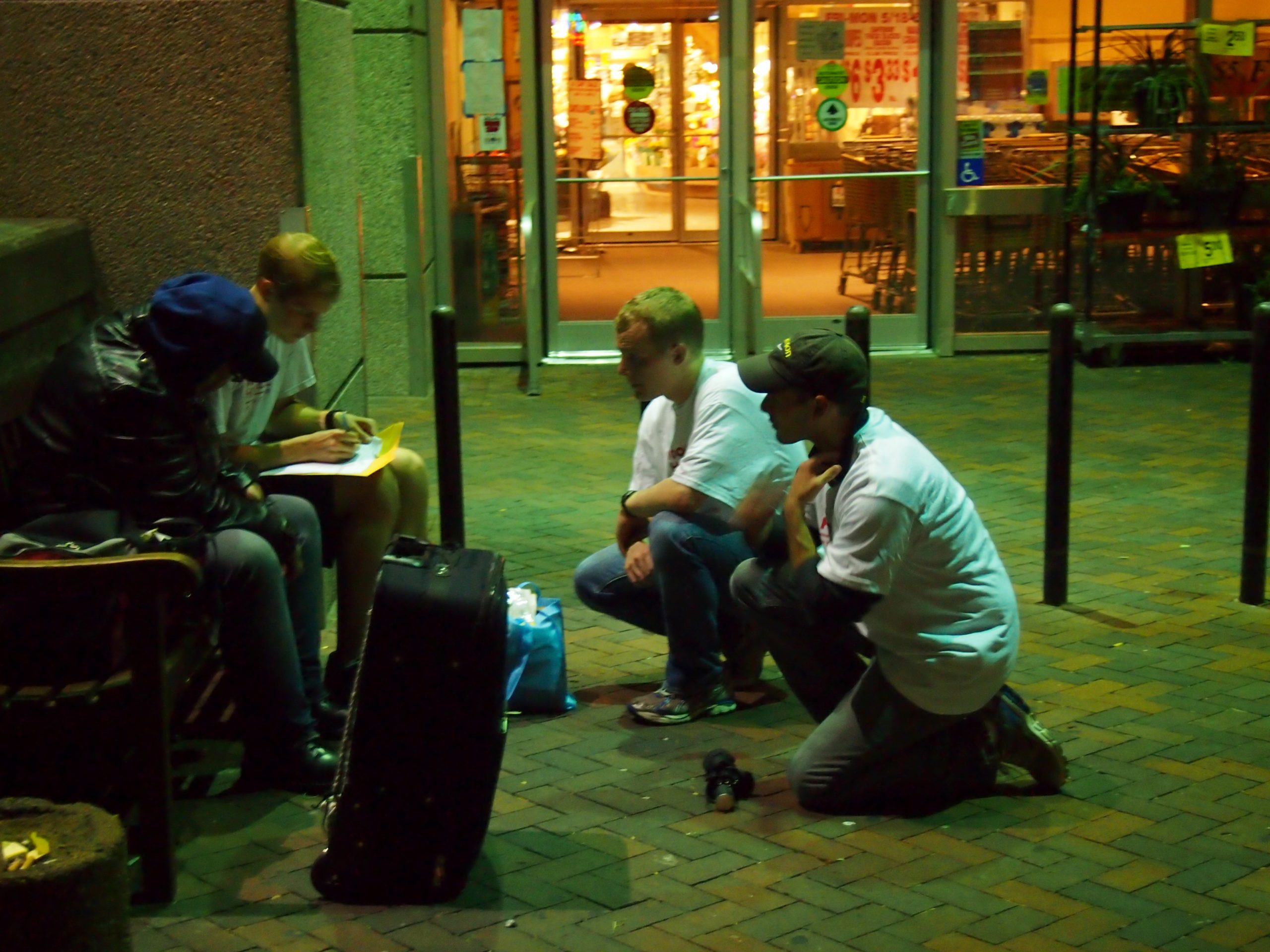
Not permanent support. A purposeful bridge.
Critical Time Intervention is a time-limited, evidence-based program — not an indefinite support system. It serves approximately 80–120 individuals annually throughout Montgomery County who have an imminent referral to Permanent Supportive Housing through the Coordinated Entry System.
CTI is designed to span the most unstable window in a person's journey: the transition off the street and into a home. It is intensive precisely because that window is fragile. Once a client is stably housed and connected to long-term supports, CTI steps back — by design.
That planned ending is not a limitation. It's what makes CTI scalable, replicable, and nationally proven. Bethesda Cares has used this model to help maintain a 98% housing retention rate across our Supportive Housing programs.
3 to 9 months of intensive, phased support — structured around the client's transition timeline, not an open-ended commitment.
Individuals with imminent referrals to Permanent Supportive Housing — particularly those with chronic homelessness, serious mental illness, or co-occurring disorders.
Outcomes align with national benchmarks set by SAMHSA and the U.S. Interagency Council on Homelessness. CTI is a recognized, replicable model — not a local experiment.
Individual is experiencing homelessness and receives a referral to Permanent Supportive Housing through the Coordinated Entry System.
3–9 months of intensive, phased support. CTI Specialists bridge the transition, build stability, and connect clients to lasting community supports.
Client is stably housed with long-term supports in place. CTI has completed its transfer of care and stepped back — its job is done.
Three phases. One transition.
Intensive support as clients move off the streets and out of shelters into permanent housing. CTI Specialists engage persistently — particularly with clients who have complex needs — because permanent housing feels more attainable when someone is walking through the process with you.
Once housed, the focus shifts to reinforcing supports and encouraging client-led problem-solving. Clients build the habits, skills, and relationships needed to sustain their housing independently — with CTI present but gradually stepping back.
CTI staff intentionally connect clients to the long-term community providers and natural supports that will sustain them after CTI ends. This planned handoff is what makes the time-limited model work — stability is built in, not assumed.
What CTI Specialists actually do.
Assisting clients in completing subsidy paperwork and all leasing activities — removing the administrative barriers that can derail a housing placement before it begins.
Coordinating behavioral and primary health care for clients managing chronic conditions, serious mental illness, or co-occurring disorders that often went unaddressed during homelessness.
Strengthening clients' connections to family, peers, and community — the social infrastructure that supports long-term stability after CTI's formal support ends.
Helping clients adjust to new living environments and build practical skills for tenancy and community integration — skills that may have atrophied during years without stable housing.
Regular home visits and follow-up from CTI Specialists who meet clients where they live and respond to challenges before they become crises.
Collaborating with external providers to promote self-sufficiency, health access, and housing retention — ensuring clients are connected to systems that will support them long after CTI concludes.
Measurable Results
Internal program tracking is consistent with national benchmarks set by SAMHSA and the U.S. Interagency Council on Homelessness —
confirming CTI's effectiveness as a replicable, evidence-based model.
Higher rates of housing placement and retention
CTI participants consistently achieve higher rates of successful housing placement and long-term retention than comparable populations without structured transition support.
Better mental health and reduced emergency use
Participants report better mental health satisfaction and reduced emergency system use — outcomes that reflect the stabilizing effect of consistent, relationship-based support during the transition period.
Lasting connections to community support
The Transfer of Care phase ensures clients don't simply finish CTI and lose all support. They finish with a network — providers, services, and relationships built to sustain them independently.
The transition is
the hardest part.
CTI exists because moving from the streets into a home is not, by itself, enough. The first months matter. The right support at the right time is what turns a housing placement into a permanent home.
Your support funds
the bridge.
Every donation sustains the CTI Specialists, home visits, community partnerships, and phased support that help individuals make the transition from homelessness to stable, permanent housing — and stay there.
Bethesda Cares is a 501(c)(3) nonprofit organization working to prevent, ease, and end homelessness in Montgomery County, Maryland since 1988. CTI is one component of our comprehensive Supportive Housing continuum.